
Expert ADAS Calibration in DFW
Don’t let a 1-degree misalignment compromise your safety. Whether you’ve just replaced a windshield or repaired a fender bender, your vehicle’s Advanced Driver Assistance Systems (ADAS) need to be recalibrated to factory specs.
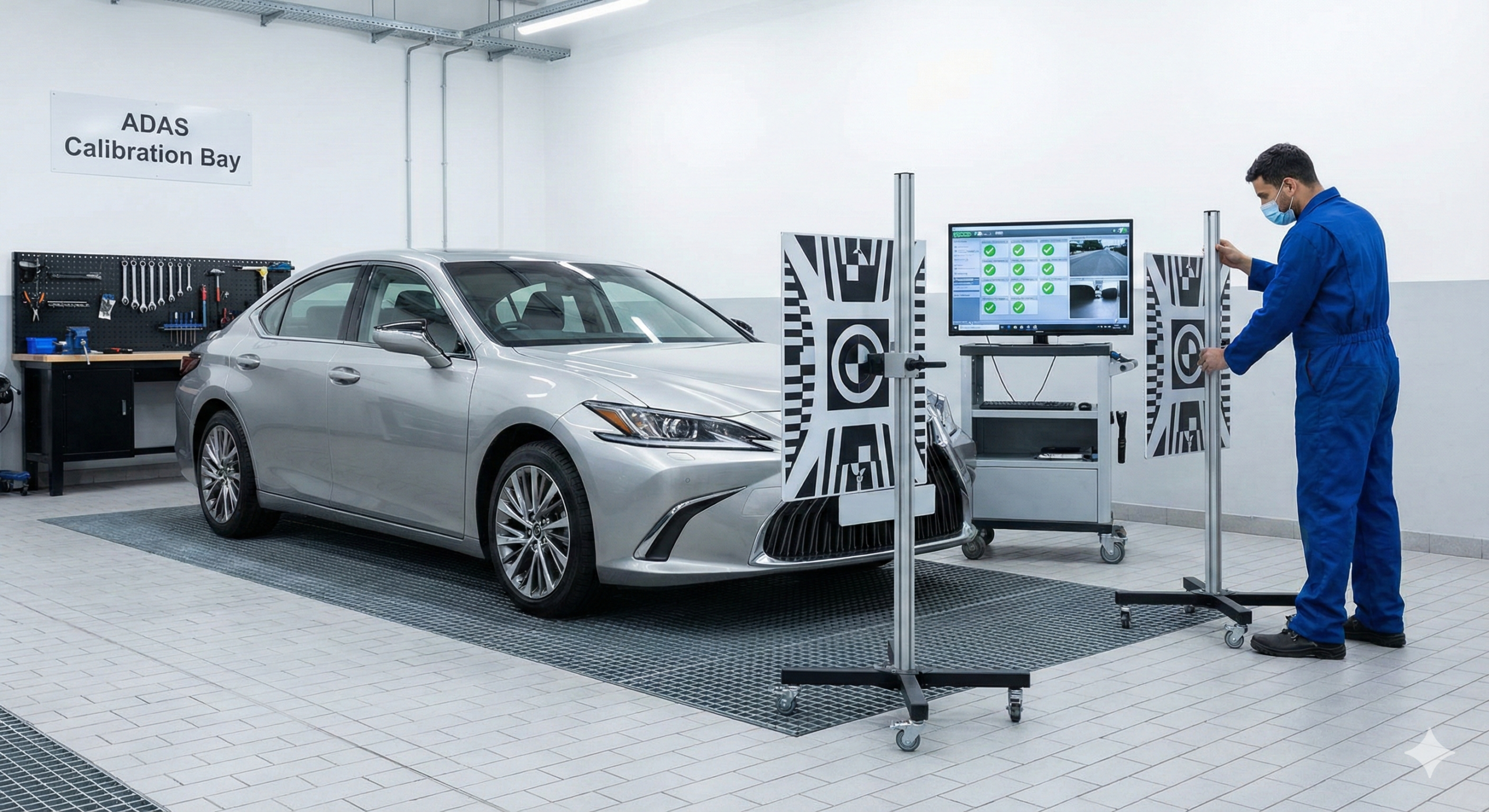
Why Calibration Isn't Optional
Most drivers don’t realize that a camera misalignment of just 0.5 degrees can delay your automatic emergency braking by 20–30 meters at highway speeds.
Windshield Replacement
Affects forward-facing cameras in 70% of cases.
Collision Repair
Even minor bumper impacts can shift radar units.
Suspension Work
Changes in vehicle height/angle trigger the need for yaw sensor resets.
Warning Lights
If your dashboard is glowing, your safety systems are likely offline.
Our Calibration Solutions
We offer two distinct methods to ensure your vehicle returns to 100% manufacturer accuracy:
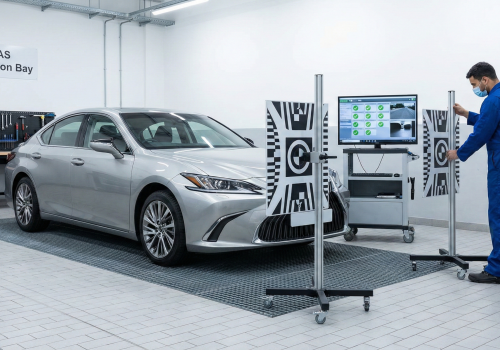
Static Calibration
How it Works:
Performed in our controlled facility in Grand Prairie, TX using laser-guided targets.
Best For:
Windshield replacements, sensor mounting, and major repairs.
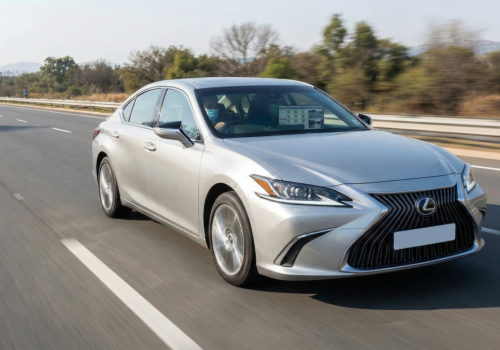
Dynamic Calibration
How it Works:
Conducted on the road under specific driving conditions using OEM software.
Best For:
Finalizing camera alignments and real-world system verification.
FAQ
How long does it take?
Static calibrations typically require 1-3 hours depending on your vehicle’s systems. Dynamic calibration adds 20-60 minutes of driving time. Multi-sensor new vehicles may require up to 4 hours for comprehensive calibration.
Can I drive my vehicle before getting calibration done?
While physically possible, driving with uncalibrated ADAS sensors puts you at risk. Safety features may be disabled or functioning incorrectly. Manufacturers recommend immediate calibration. Your car may display warnings until service is completed.
How do I know if my vehicle needs static or dynamic calibration?
This depends on manufacturer specifications and which systems require attention. Forward cameras typically need static calibration; some vehicles require both methods. Our technicians use diagnostic tools to determine the correct procedure—with hybrid approaches achieving 99% first-pass success rates.
What happens if calibration isn’t performed after windshield replacement?
Your forward-facing camera may provide inaccurate data to the ADAS system, causing false braking alerts, missed road signs detection, or complete deactivation of features like lane departure and traffic sign recognition.
What equipment do technicians use for proper calibration?
Professional calibration requires OEM-approved targets, precision laser alignment systems, and vehicle-specific diagnostic interfaces.
Your vehicle’s safety systems protect what matters most.
Let certified technicians ensure they’re functioning with the precision and accuracy you deserve.